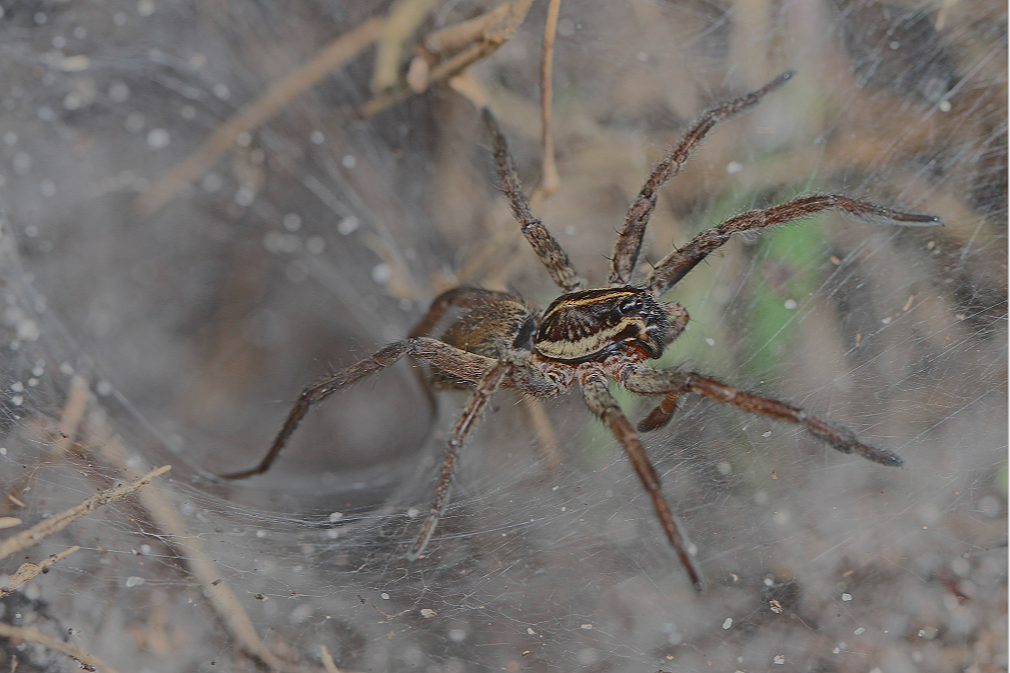
Australian Spiders
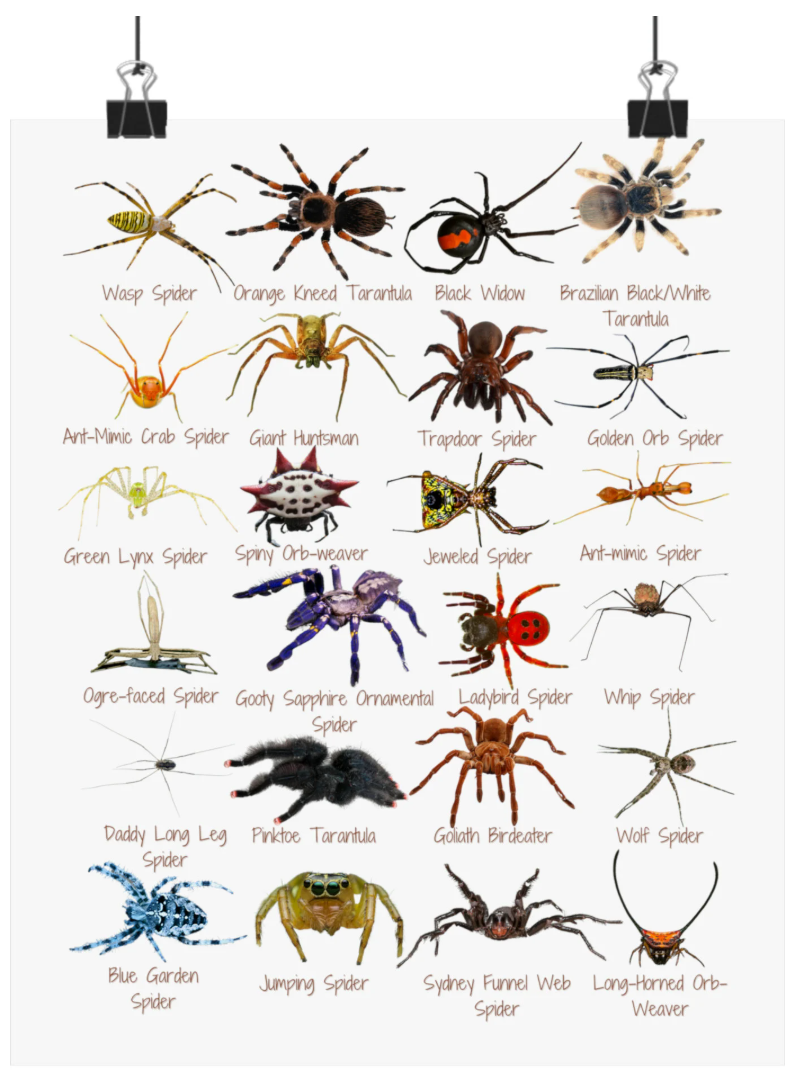
Australia is home to a vast range of spiders, from the famous Redback to the large Huntsman, occupying habitats from deserts to city homes. Biologically, they differ from insects by having eight jointed legs and two main body segments: the cephalothorax and abdomen.
Risks and Prevention
Health Hazards: While most are harmless, species like the Sydney Funnel-web are highly venomous and use fangs to deliver venom.
Home Impact: They don't cause structural damage, but web-spinners create unsightly webs in eaves and corners.
Prevention: Spiders love dark, undisturbed spots. To keep them out, regularly clear out clutter in attics, basements, and garden rocks.
Treatment: They are natural pest controllers, but if they become a risk, professional management ensures safety while maintaining ecological balance.
Spider Ecology and
Environmental Impact
Spiders are a vital and highly adaptable part of the ecosystem, thriving in environments ranging from arid deserts to lush forests.
Natural Pest Control: As primary predators, they serve a critical role in maintaining ecological balance by naturally managing insect populations.
Diverse Hunting Methods: While some species are known for weaving intricate webs, others are active hunters that rely on speed or ambush tactics to secure prey.
Adaptability: Many species have successfully integrated into urban and coastal regions, demonstrating a high level of resilience to changing environments.
Biological Characteristics
Spiders belong to the class Arachnida and possess unique physical traits that distinguish them from insects.
Body Structure: Their anatomy consists of two primary sections: the cephalothorax (front) and the abdomen (rear).
Physical Traits: Unlike insects, spiders have eight jointed legs and lack antennae.
Specialized Anatomy: They utilize fangs and chelicerae for feeding and, in specific species, for the delivery of venom.
Sexual Dimorphism: In many species, females are notably larger than their male counterparts.
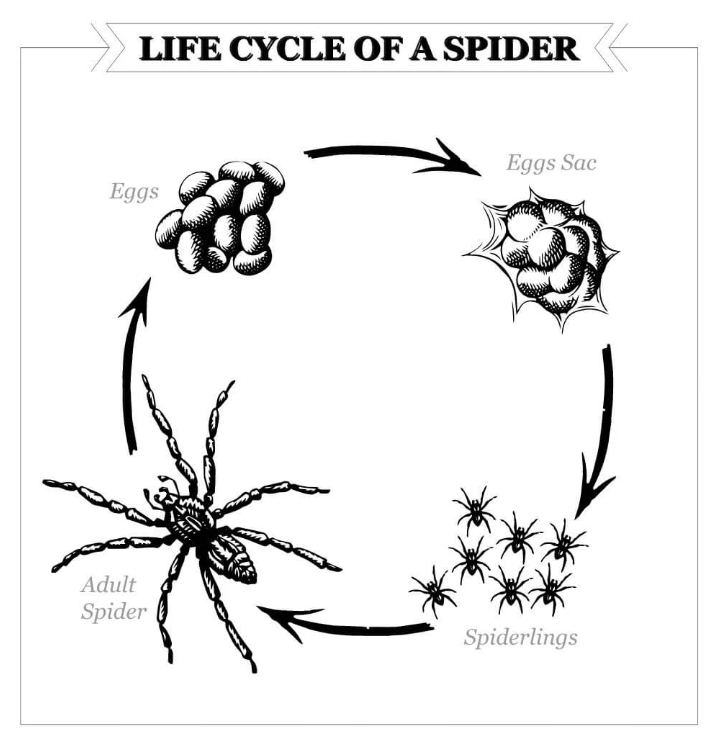
Lifecycle and Development
The developmental journey of a spider is characterized by several distinct phases of growth.
Protective Beginnings: Females produce silken egg sacs to safeguard their offspring.
Moulting: Young spiderlings must shed their exoskeletons (moult) multiple times to grow, with the first moult often occurring before they even leave the egg sac.
Lifespan Variations: Most common web-spinning varieties live for roughly 12 months, whereas certain ground-dwelling species are adapted for much longer lifespans.
Habits and Shelters
Understanding spider behavior is key to managing their presence in residential or commercial settings.
Nocturnal Activity: Most species are active at night, which is when they primarily hunt for living or fresh prey.
Preferred Harbourages: Spiders gravitate toward quiet, dark, and undisturbed locations.
Common Retreats: In nature, they hide in crevices, under rocks, or within thick foliage; in buildings, they are frequently found in corners, basements, or attics where they can remain out of sight.