
Bedbugs: At a Glance
Bedbugs are tiny, wingless, nocturnal insects that feed exclusively on the blood of warm-blooded hosts, primarily humans. They possess flattened, oval bodies that expand and darken to a reddish-brown hue after a blood meal. Leading a highly secretive lifestyle, they cluster together in dark cracks and crevices during the day and emerge to feed late at night while their hosts sleep.
Risks and Prevention
Health Hazards: They do not transmit infectious diseases, but their bites inject saliva that can trigger intensely itchy, inflamed red welts. Severe or repeated infestations can cause progressive allergic skin reactions, significant insomnia, anxiety, and emotional distress.
Home Impact: They cause zero structural damage to property. However, they severely ruin home comfort by staining mattresses, bedding, and furniture with dark spots of fecal matter and blood.
Prevention: Always check hotel mattresses and elevate luggage when traveling, as they are prolific hitchhikers. Thoroughly inspect all second-hand beds, furniture, and clothing before bringing them indoors. In shared buildings, seal gaps around baseboards and utility pipes to stop them from crawling between rooms.
Treatment: Eradication is highly complex due to their ability to hide and their resistance to standard retail insecticides. Professional pest management is strongly recommended to conduct exhaustive inspections of hiding spots (such as mattress seams, curtain folds, and frame joints) and apply targeted heat or specialized chemical treatments.
Bedbugs: Biology, Habits, and Impact
Evolution and Global Presence
Bedbugs are tiny, wingless, blood-feeding insects belonging to the Cimicidae family. Historically, these pests evolved from ancient, cave-dwelling insects that originally fed on bats. When early humans inhabited these caves, the insects shifted their feeding habits to humans, eventually following them out into agricultural civilizations and spreading across the globe. Since the year 2000, international travel has significantly accelerated their worldwide distribution. The two most prevalent species that interact with human environments are Cimex lectularius (the common bedbug) and Cimex hemipterus (the tropical bedbug).
Physical Traits and Identification
Recognizing the physical characteristics and early warning signs of bedbugs is vital for early detection:
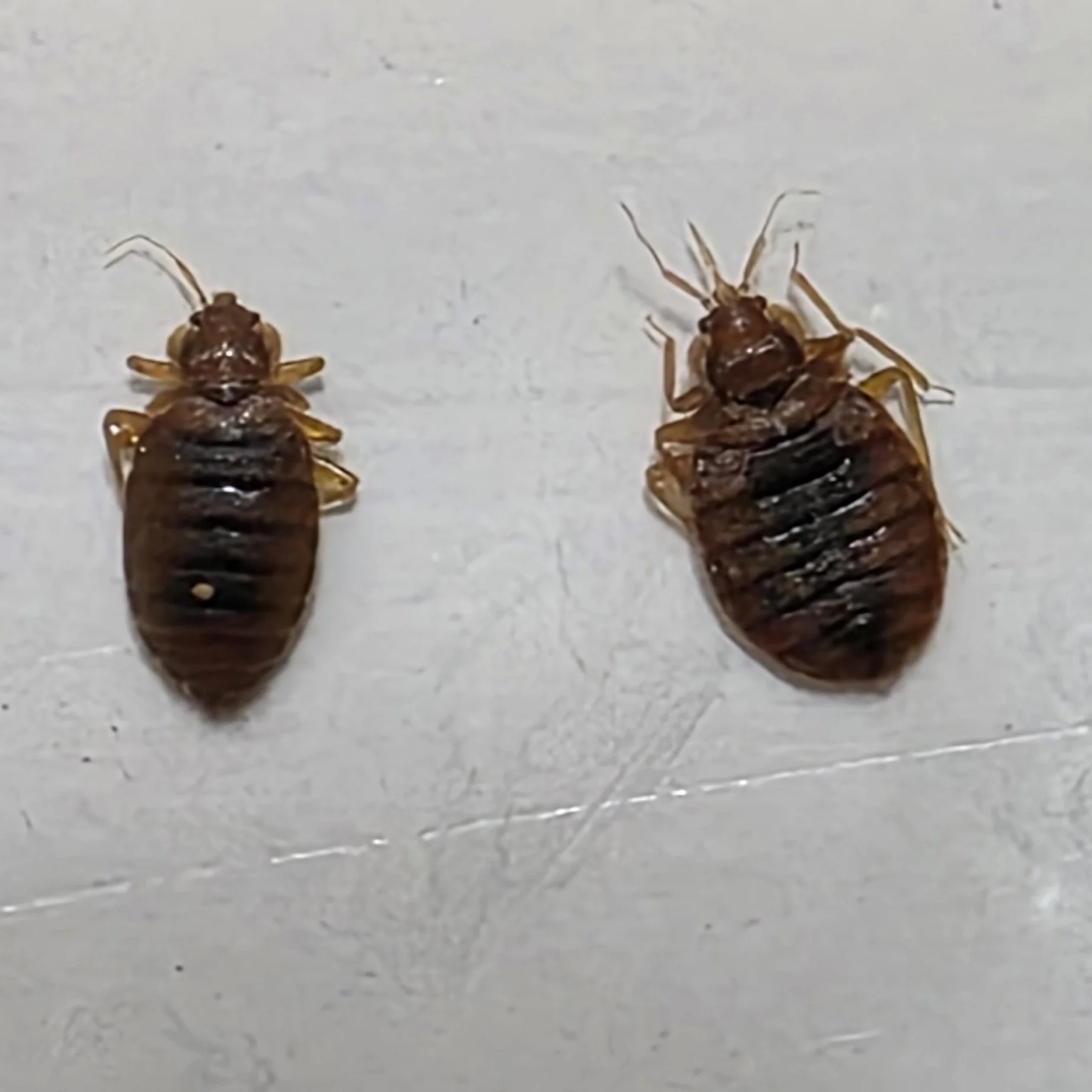
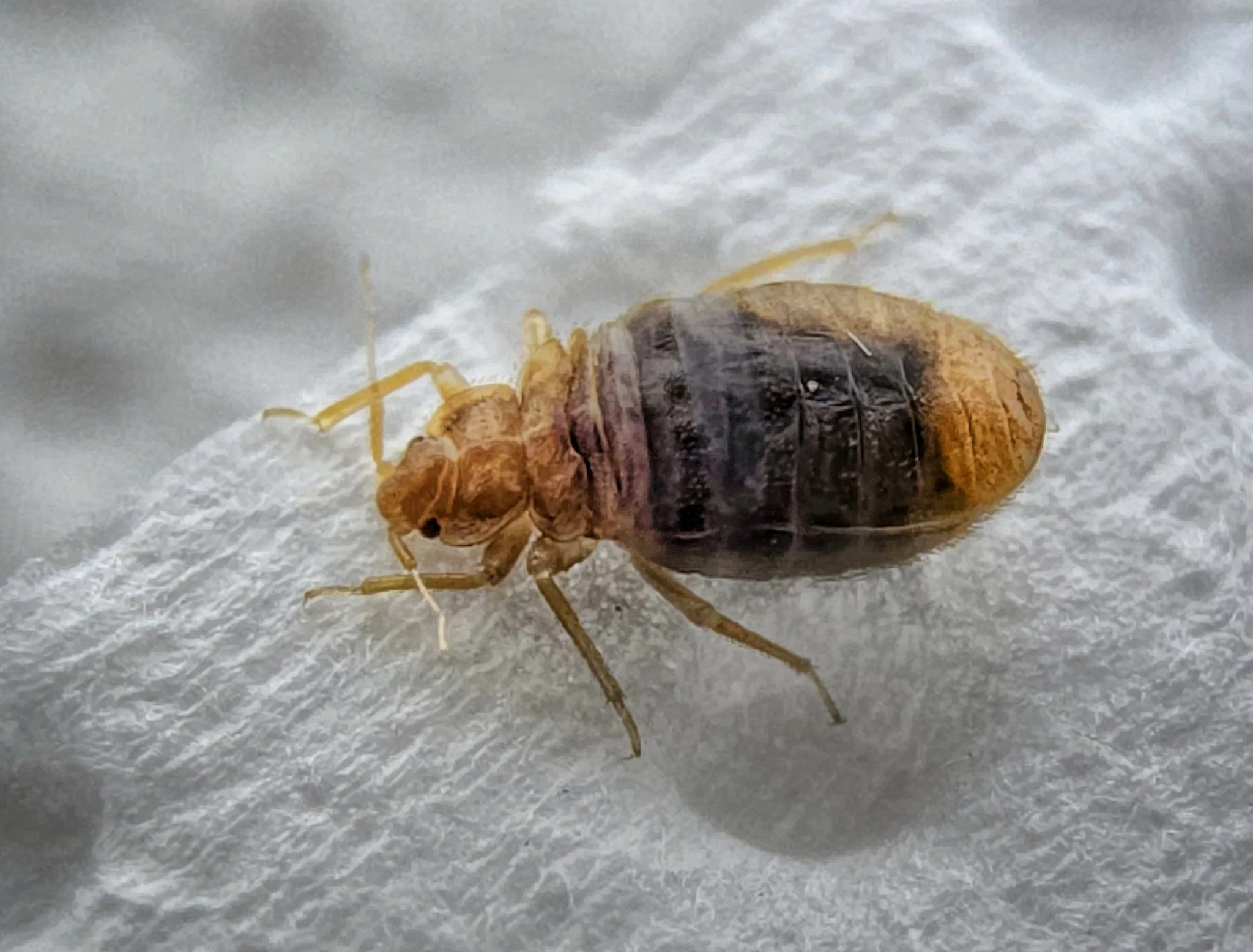
Anatomy: Adults generally measure between 5 to 7 mm in length, featuring a broadly oval, flattened body shape that swells and elongates after feeding. They possess a four-segmented antenna and a specialized three-segmented beak underneath their head designed for piercing skin and drawing blood.
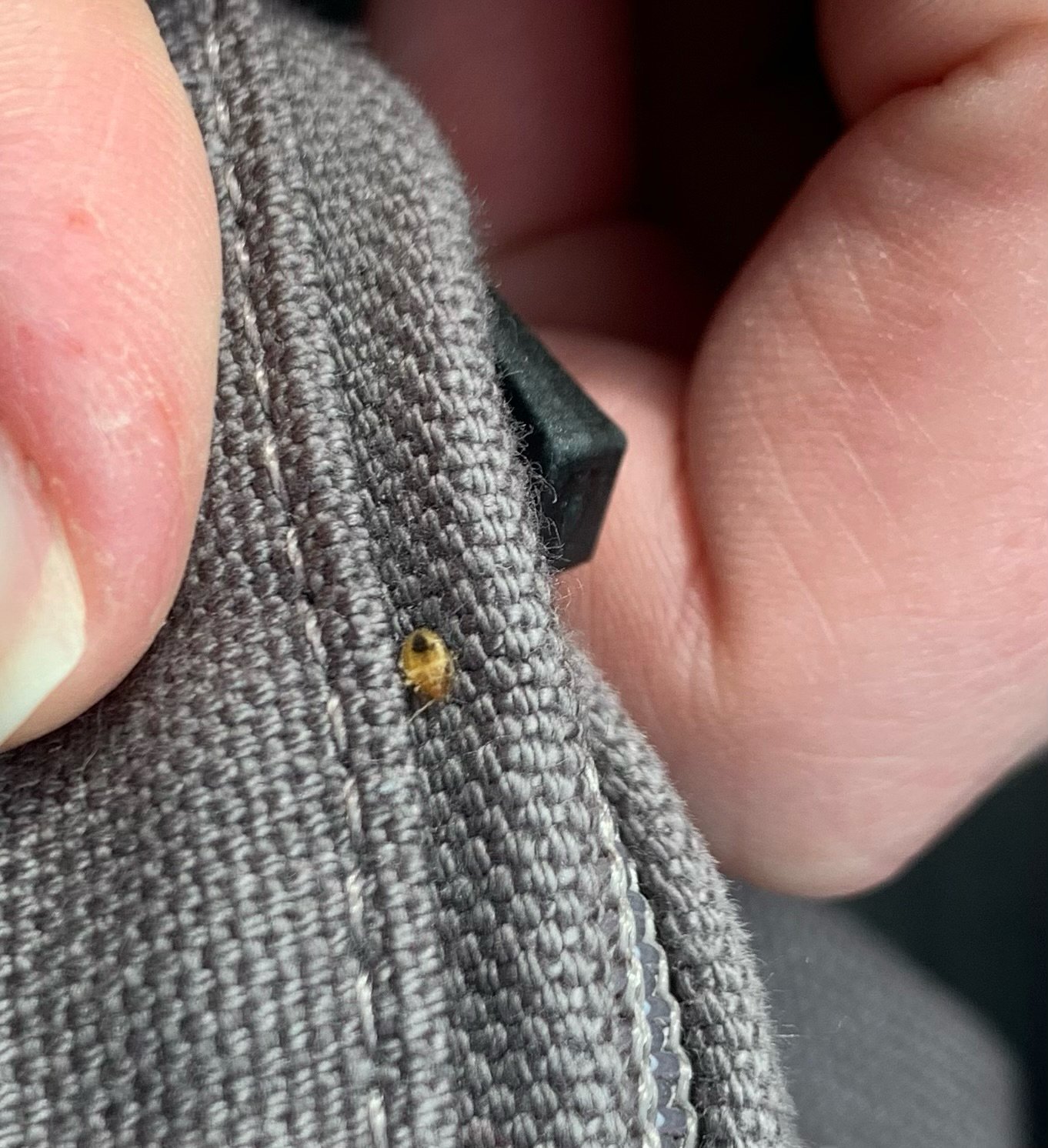
Coloring: Unfed juvenile bedbugs (nymphs) are translucent or straw-colored, turning a bright crimson when full. Unfed adults range in various shades of brown, while engorged adults shift to a much darker reddish-brown. Their bodies are also covered in microscopic, golden hairs.
Infestation Signs: Early indicators include small, rusty or dark red stains on bedding caused by crushed insects. They also leave behind bleeding dark spots of fecal matter, minuscule pale-yellow shed skins, tiny 1mm eggs, and visible live insects clustered together.
Lifecycle and Growth
The developmental journey of a bedbug relies heavily on access to hosts:
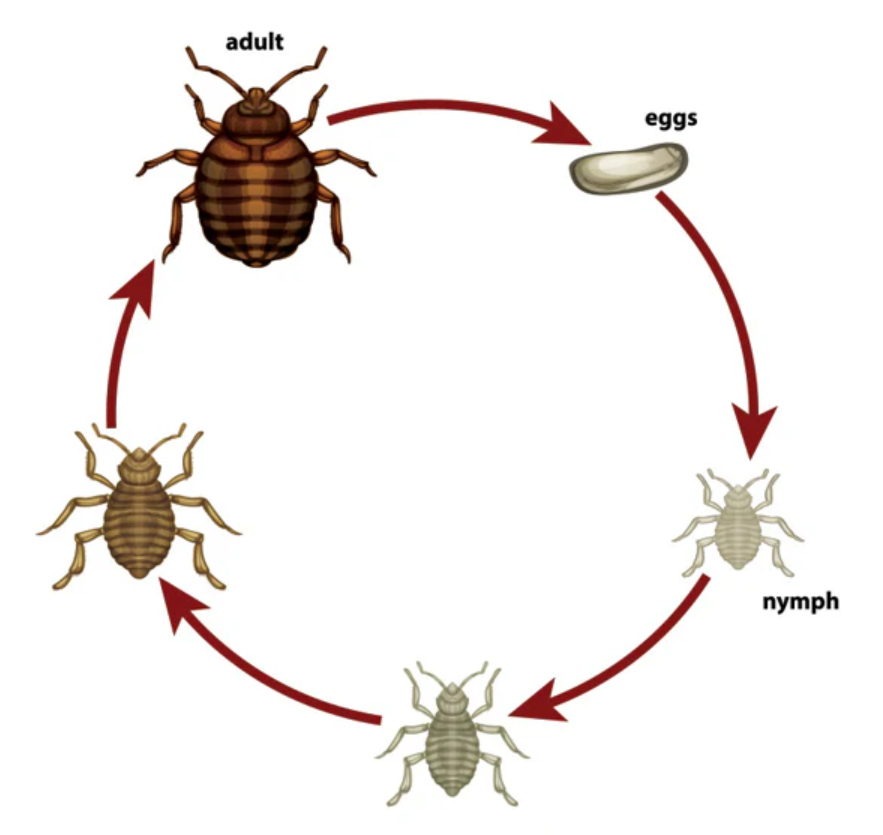
Reproduction: Female bedbugs must consume protein from blood meals before they can begin laying eggs. Over a lifetime, a single female can produce between 200 to 500 tiny, white eggs, which normally hatch within 7 to 30 days.
Five Stages of Youth: Bedbugs pass through five distinct nymphal stages (or instars) before reaching maturity. Because their skeleton is located on the outside of their body (an exoskeleton), they must shed this casing—a process called moulting—to grow larger.
The Feeding Requirement: A complete blood meal is strictly required for a nymph to successfully moult into the next stage, and adults of both sexes require regular feedings to reproduce.
Behavior and Preferred Hiding Spots
Bedbugs lead a highly secretive or "cryptic" lifestyle, remaining hidden in tightly packed groups during daylight hours.
Nocturnal Foraging: They are primarily active at night, usually emerging between midnight and 5:00 AM when human hosts are in their deepest sleep. They are drawn out of hiding by body heat, carbon dioxide, and specific chemical signatures.
Strategic Hiding Places: They prefer to harbor close to their feeding grounds but can travel 6 to 7 meters (or more) to find a host. Common indoor locations include:
Mattresses, box springs, bed frames, and headboards.
Folds in curtains, couch cushions, upholstered furniture, and drawer joints.
Behind loose wallpaper, wall decorations, baseboards, and wall-to-ceiling junctions.
Inside electronic appliances, power outlets, nightstands, books, and screw holes.
Resilience: They are capable of surviving for several months between blood meals, making them incredibly resilient.
Health Implications and Transfer Methods
While bedbugs are a distressing nuisance, their primary impact is psychological and physical rather than pathogenic.
The Bite: When a bedbug bites, it injects saliva containing anti-coagulant properties and specialized proteins to keep blood flowing seamlessly. A single feeding session can last anywhere from a few minutes to over ten minutes, often resulting in a row of multiple bites from a single insect.
Physical Symptoms: The proteins in their saliva can spark allergic skin reactions over time. Symptoms usually manifest as raised, inflamed, reddish welts that itch intensely for days. Human skin reactions typically progress through five distinct phases, ranging from no reaction initially to delayed reactions, and eventually immediate wheals.
Psychological Toll: Bedbugs are not known to spread or transmit infectious diseases. However, a severe infestation can trigger extreme stress, sleep loss, and social phobias.
How They Spread: Bedbugs cannot fly or jump; instead, they are hitchhikers. They easily migrate to new environments via infested luggage, second-hand furniture, clothing, and used bedding. Within buildings or apartments, they can crawl through wall voids, ceilings, and utility pipe or wiring runs to infest adjacent rooms. They frequently establish populations in high-traffic venues, including residential homes, hotels, schools, apartments, nursing homes, hospitals, and public transportation.