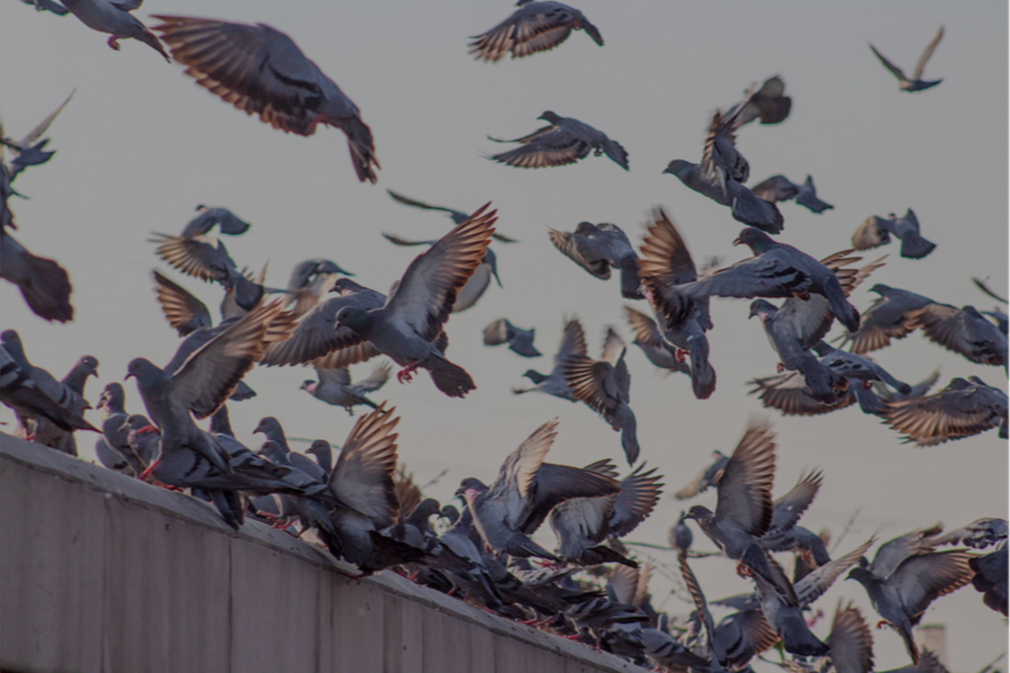
Pest Birds in Australia
In Australia, bird populations are rising in urban areas, leading to significant issues for homeowners and businesses alike.
Risks to Your Home & Health
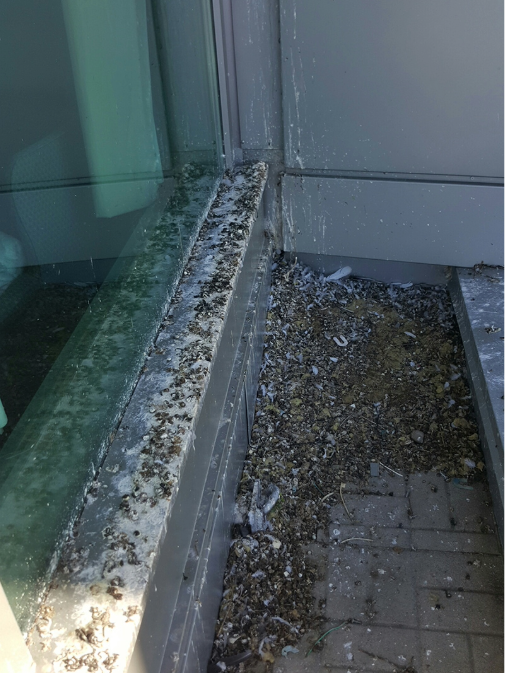
Structural Damage: Acidic droppings erode paint, metal, and stone.
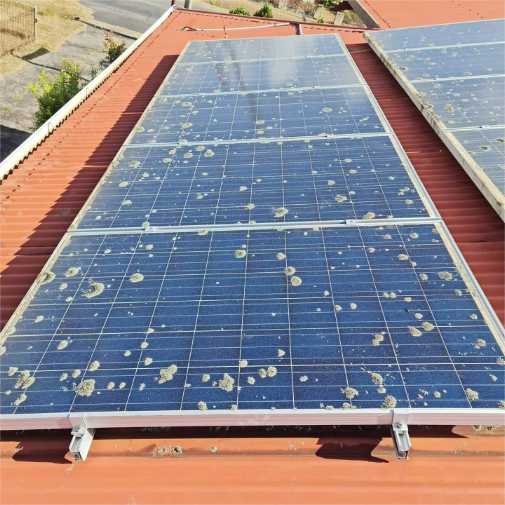
Solar Loss: Nesting under solar panels creates debris that lowers efficiency and causes damage.
Health Hazards: Birds carry parasites and diseases, while droppings create dangerous slip hazards.
Secondary Pests: Nesting often leads to infestations of bird lice and mites inside the home.
Common Species
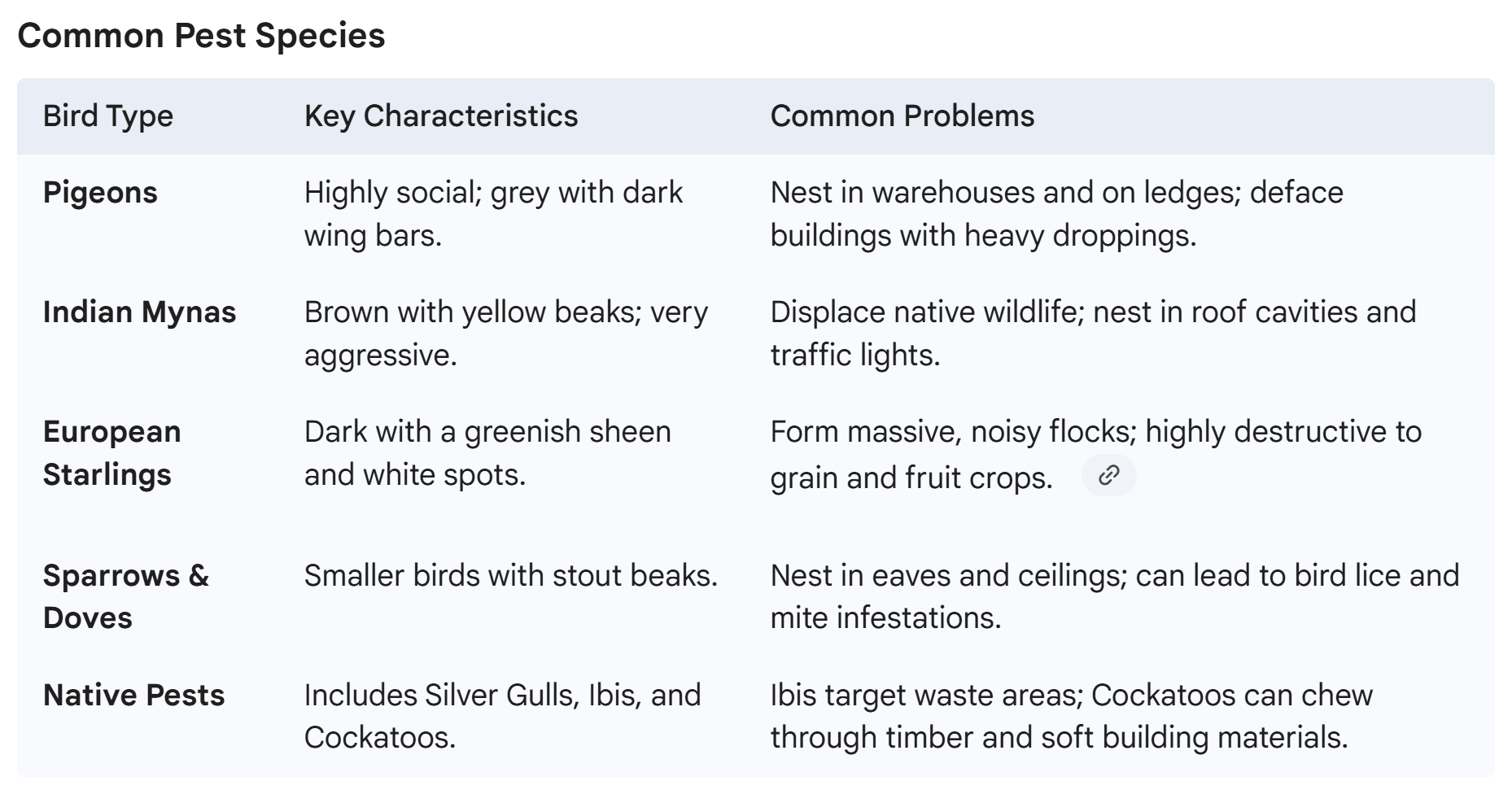
Pigeons & Mynas: Frequent nesters in roofs, ledges, and solar arrays.
Starlings & Sparrows: Known for noisy flocks and invading eaves or ceiling cavities.
Cockatoos: Native birds that can cause severe damage by chewing timber and building materials.
Prevention & Treatment
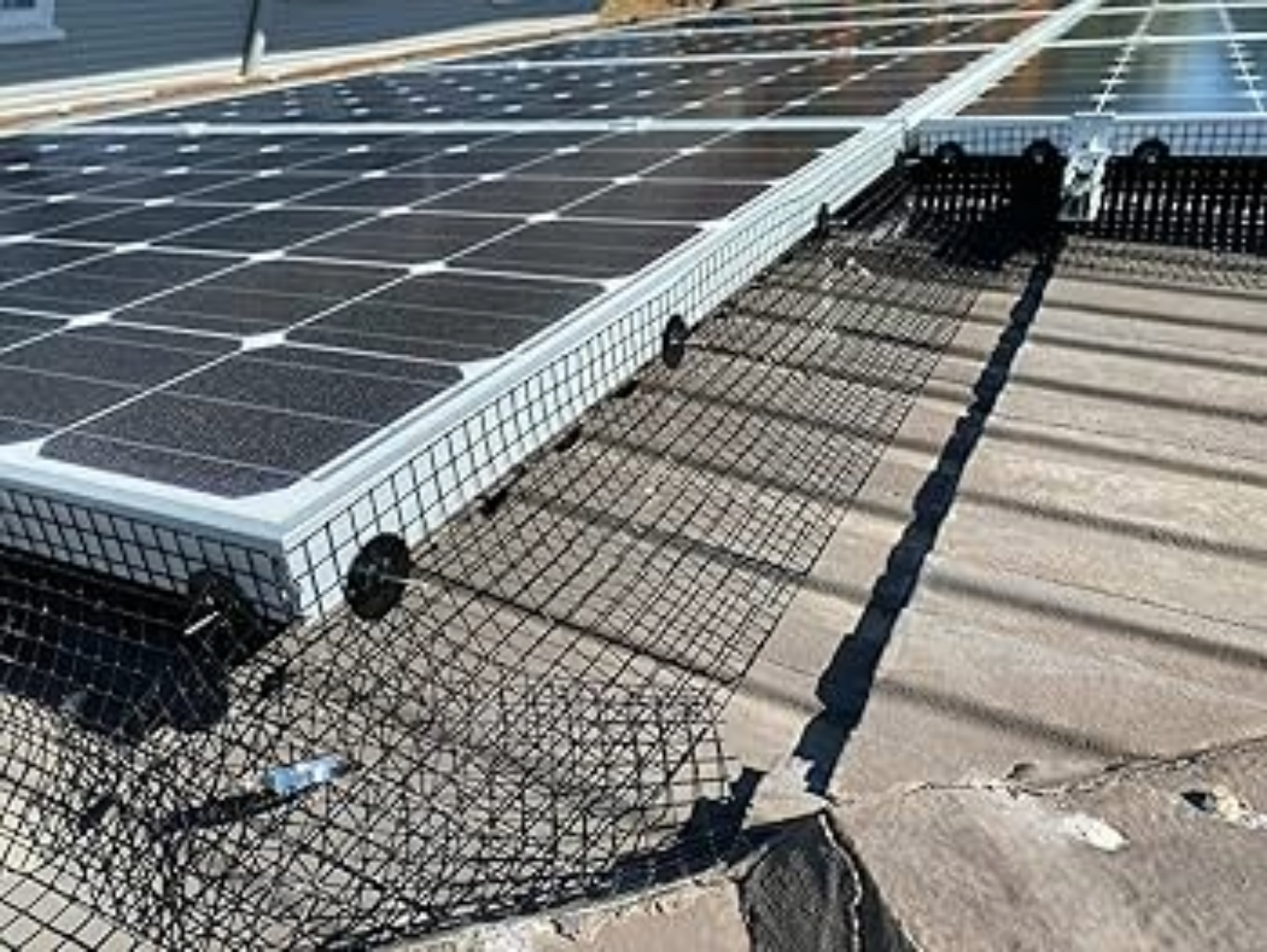
Exclusion: Use bird netting, chimney covers, or mesh to block entry to nesting spots.
Deterrents: Install bird spikes, deterrent ramps, or Optical Gel to discourage landing.
Sanitation: Remove reliable food and water sources to make your property less attractive.
Habitat Control: Prune overhanging branches and modify ledges to prevent roosting.
Managing Pest Birds in
Australia
Whether you are dealing with common urban nesters or aggressive territorial species, understanding their habits is the first step toward effective control. In Australia, pest bird populations—including both introduced and native species—are rapidly increasing in our residential and commercial areas.
Why Pest Birds Are a Problem
Bird infestations are more than just a nuisance; they pose serious risks to your property and health:
Property Damage: Droppings contain high levels of uric acid, which can eat through paint and damage building surfaces.
Solar Panel Efficiency: Nesting around solar arrays creates mess and debris that significantly reduces energy output and can lead to permanent damage.
Health & Safety: Birds carry various parasites and diseases that can be transmitted to humans. Accumulated droppings also create a significant slip hazard on walkways.
Operational Disruption: In commercial settings, birds spoil stored food products and cause significant noise pollution.
Behavior and Adaptability
Pest birds are remarkably resilient because of their:
Opportunistic Feeding: They are often omnivorous, easily switching between insects, seeds, and human food scraps found in bins or outdoor dining areas.
Urban Nesting: They exploit human structures, finding shelter in roof voids, on guttering, window ledges, and high structural beams.
High Reproduction: Many species, like pigeons, can breed year-round, producing multiple broods and quickly overwhelming a location.
Professional Bird Management Strategies
A successful bird control program is built on a thorough site survey to identify the species and their specific activity patterns. We focus on five core areas:
Sanitation: Removing food and water sources that attract birds.
Exclusion: Denying access to nesting sites using high-quality bird netting, chimney covers, or deterrent ramps.
Habitat Alteration: Pruning trees or modifying structures to make them less appealing for roosting.
Repellents: Utilizing modern solutions like Optical Gel, which uses light and scent to deter birds without harming them, or physical deterrents like bird-proof spikes.
Population Management: Targeted reduction strategies where necessary and permitted.