Silverfish: At a Glance
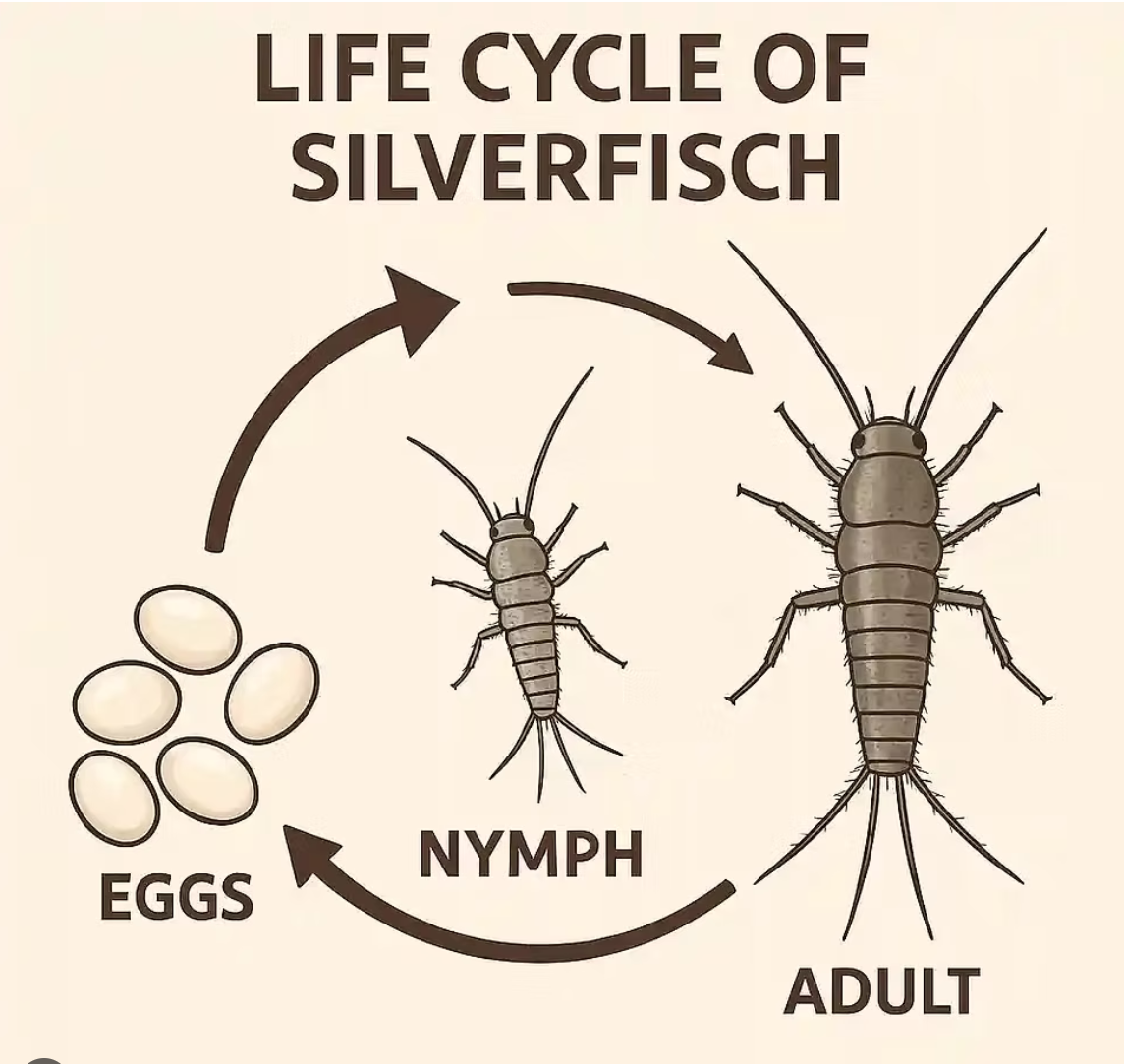
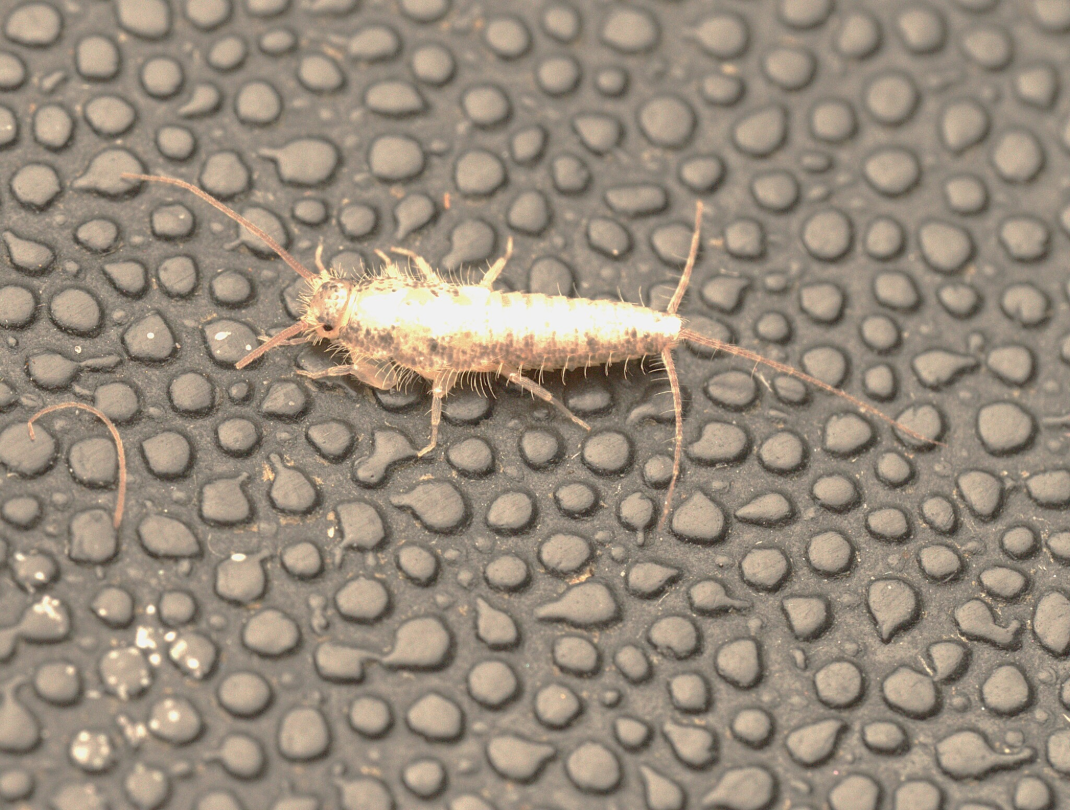
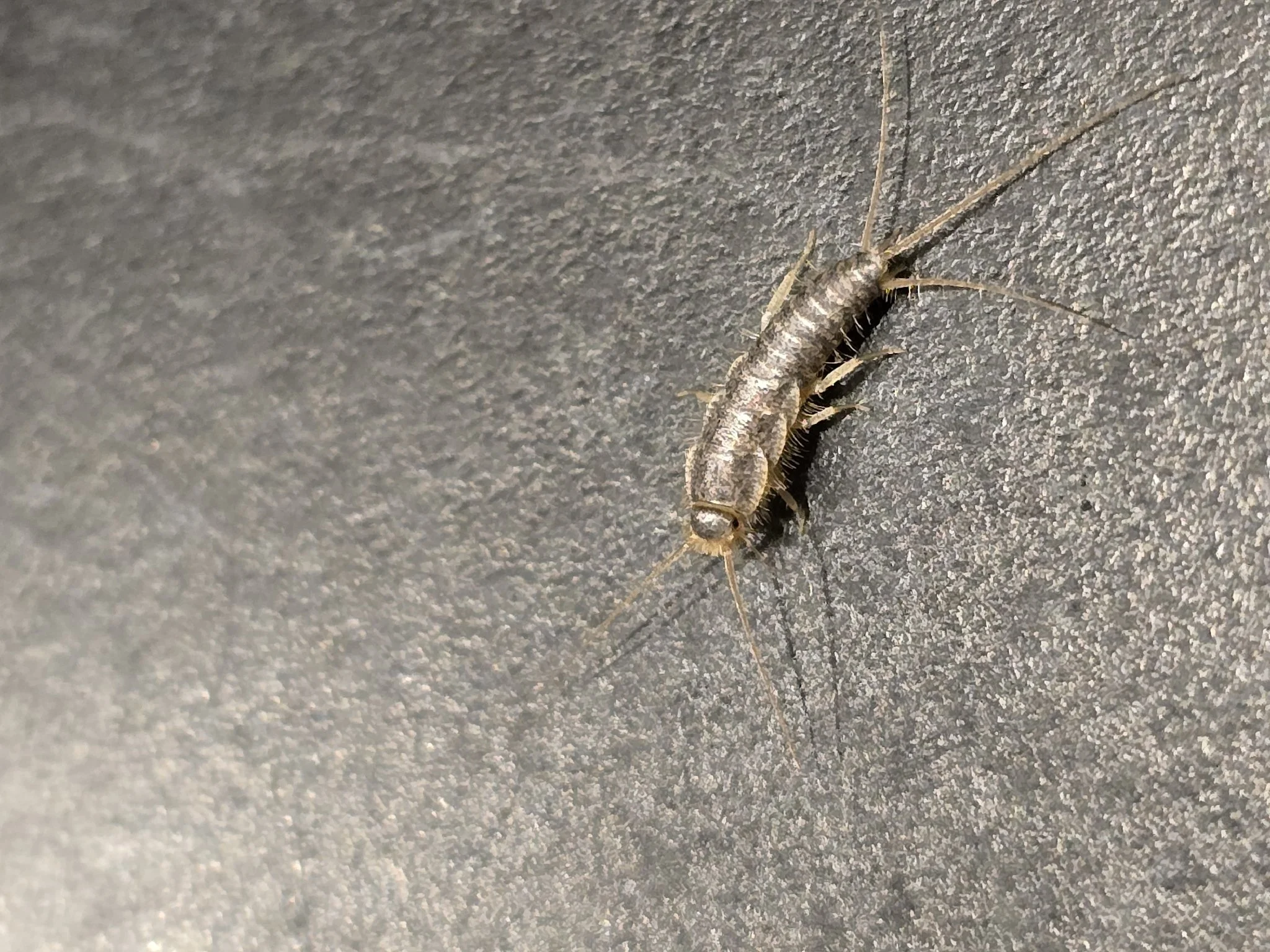
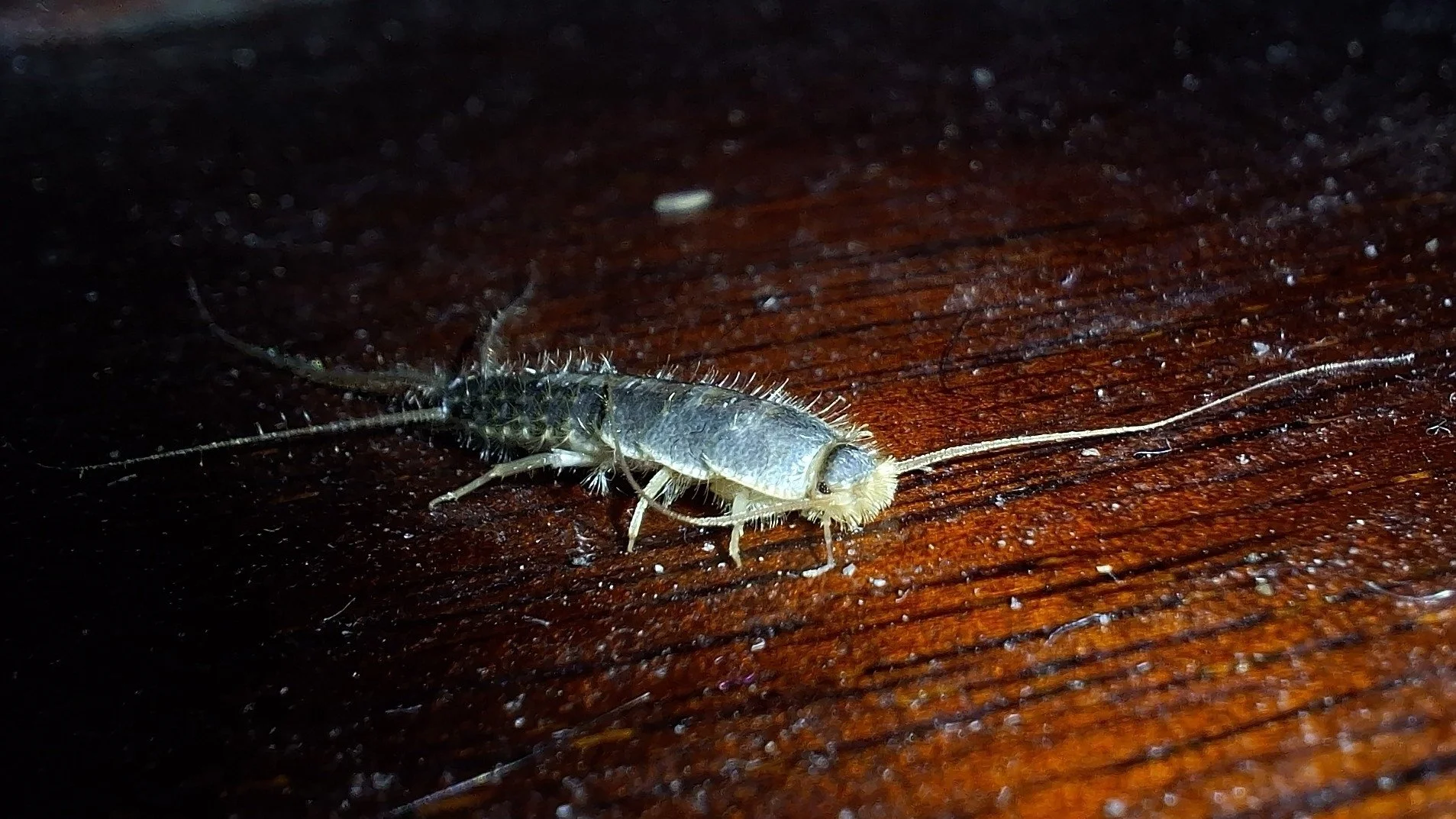
Silverfish are primitive, wingless insects covered in shimmering, silvery-grey scales. Moving with a fluid, fish-like motion, these nocturnal pests strictly avoid light and thrive in damp environments.
Risks and Prevention
Health Hazards: They are completely harmless to humans and pets. They do not bite, sting, scratch, or transmit any known diseases.
Home Impact: They cause zero structural damage but can be highly destructive to belongings. Because they eat starches and sugars, they chew through books, paperwork, wallpaper glue, fabrics, and dry pantry items.
Prevention: Control moisture by dehumidifying damp areas (bathrooms, laundries, basements), as they depend on high humidity to survive. Keep pantry items sealed and clear away clutter like old magazines or cardboard boxes.
Treatment: Minor issues can be treated with targeted retail insect sprays in dark corners. Widespread infestations hiding in wall cavities or extensive libraries are best managed by a professional pest controller.
Silverfish: Ecology and Biology
Environmental Impact and Habits
Often described as "living fossils," silverfish are primitive insects that have survived virtually unchanged for millions of years. In the wild, they perform a vital ecological role.
Natural Decomposers: They thrive in outdoor environments like forest leaf litter, where they break down dead plant matter, organic debris, and fungi, contributing directly to nutrient recycling.
A Non-Hazardous Nuisance: When they migrate indoors, silverfish do not pose a biological health risk to humans or pets, as they are not carriers of disease. However, their eating habits can make them a destructive household pest.
Physical Traits and Behavior
Silverfish possess distinct physical and behavioral characteristics that make them easy to identify:
Appearance: They are easily recognized by their flattened, elongated bodies covered in shimmering, silvery-grey scales. They move with a fluid, fish-like swimming motion.
Nocturnal Lifestyle: These insects are strictly nocturnal. They spend daylight hours hiding out of sight and become active at night to forage for food, meaning an infestation can easily go unnoticed for some time.
Diet and Household Damage
Silverfish have a highly diverse diet focused heavily on carbohydrates, specifically targeting starches and sugars. Inside a home, this causes damage to a variety of everyday items:
Paper Products: They are notorious for destroying books, archives, and documents by feeding on the paper itself.
Adhesives: They are heavily attracted to glues and pastes, frequently causing wallpaper to peel or damage to book bindings.
Fabrics and Pantry Items: They will readily feed on certain clothing garments, tapestries, and stored pantry goods that contain starches. They are also known to consume dead insects and even their own shed exoskeletons.
Preferred Habitats and Control Factors
Managing silverfish depends entirely on understanding the specific environmental conditions that allow them to thrive:
The Ideal Climate: The two most critical factors governing silverfish activity are high humidity and moderate temperatures. They gravitate toward dark, damp, and undisturbed microclimates.
Common Indoor Hotspots: Inside residential or commercial properties, they are most frequently discovered in:
Libraries, bookshelves, and paper storage boxes.
Behind loose or peeling wallpaper.
Damp areas like basements, bathrooms, and laundry rooms.
Prevention Strategy: Effective pest control relies on modifying their habitat. Reducing indoor humidity, eliminating standing moisture, and removing easy access to starchy food sources or clutter are the most effective ways to discourage an infestation.